

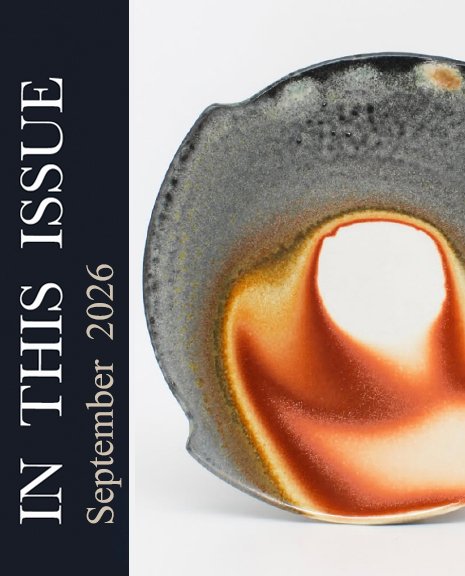
 Across the region of the Pacific Northwest and Northern California, aging kiln sites tucked into forests, valleys, and coastal hillsides have become defining landmarks for generations of potters. A new generation of atmospheric potters is inheriting the responsibility of stewarding these remarkable kilns, becoming the keepers of hard-earned technical knowledge and regional aesthetic traditions. But we are also inheriting systems that have not always been equitable, sustainable, or safe; As a queer and trans organizer working within these communities, I return again and again to questions of burnout, belonging, and the social structures that define the wood-firing world. Rising costs, aging infrastructure, shifting demographics, and long-overdue conversations about power and accountability are reshaping what it means to participate in this community. The old boys club is being redefined by crews that are more female, queer, and racially diverse, and I am excited to both collaborate with and witness my peers confront the past to set a course to the future we want to see.
This issue elevates the stories of queer, trans, and women contemporary emerging artists who have been shaped by and are shaping the future of atmospheric firing on the West Coast. As editor-at-large, I wanted to bring together artists whose practices reflect not only the changing landscape of West Coast atmospheric firing but the broader realities of sustaining a creative life today.
In “Work is Work: Putting a Damper on Exploitation and Burnout in the Woodfire World,” Lily Williams shares her personal account of mentorship, exploitation, and resilience coming up in the woodfire scene in Washington and Oregon. Through sharing her story of stepping into a greater leadership role at East Creek Art, a wood-fire facility in the coastal Oregon mountains, she reveals her vision to build a legacy of safety and sustainability in her woodfire community.
In “The Great Firing,” Ian Russell-McCoy reflects on the stubborn realities of atmospheric firing while reckoning with the tension between preserving the cultural continuity of ceramic folk knowledge and the awareness that there is much that requires reinvention. Through stories of Puget Sound kiln sites and the people who sustain them, they explore the complicated inheritance of American woodfiring while celebrating the new generation of artists who are building kilns and reshaping communities.
In “Brick by Brick,” Jules Pierce and Dan Clauson share their collaborative project Femmes, Themmes & Non-Cis Men, an annual wood-firing at Cider Creek Collective in Mendocino County, CA. Through this firing, they create an intentional gathering space for working-class women, queer, transgender, and gender-nonconforming artists. Their project offers a model of kilnsite leadership rooted in accessibility and collective care, centering those who historically remained at the margins of opportunity.
In “What a Cup Can Hold,” Aubrey Sloan takes the conversation beyond the kiln site and shares her investigation of invisible labor, gendered expectations, and economic value as an artist. As the former onsite coordinator at East Creek, Aubrey draws from her experiences as a caretaker, mother, and working-class person in her recent conceptual installations. By merging her art and social practice, Aubrey elucidates the invisible labor that sustains everyday life, creating connection through sharing these concealed realities.
What emerges from these stories is a portrait of a regional culture in motion. Stewards are shifting leadership at legacy kiln sites, younger potters are reshaping inherited hierarchies, and organizers are creating models of gathering with priorities of equity and accessibility. Across the Pacific Northwest and the broader West Coast, the next generation of artists in our community is defining the values we wish to carry into the future, a culture reimagined by and for the people willing to do the difficult and often unseen work of sustaining it.
More broadly, these stories are united by the authors’ resilience. There are harsh realities that we must endure as working-class artists: we live in a creative landscape where craft is contracting, the cost of living is rising, and the rights of women, queer, and trans people are being publicly relitigated. These writers make the quiet stories of the exploited and the peripheral move loudly. The artists who are steering the future of West Coast atmospheric firing honor and endure this quiet work that sustains creative communities, leaving an enduring legacy that, through cultivating safety and belonging, preserves the creative spark that connects us as humans.
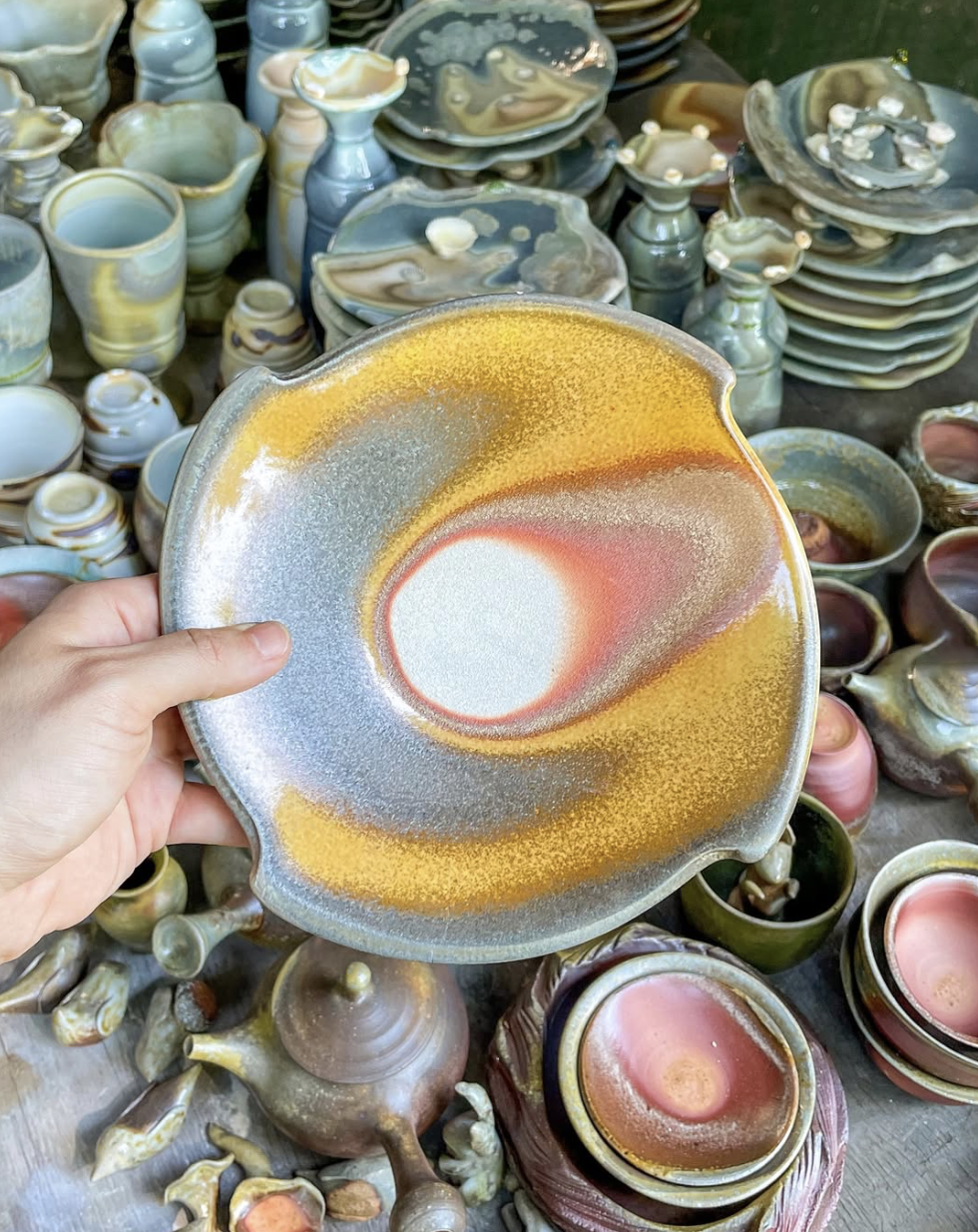
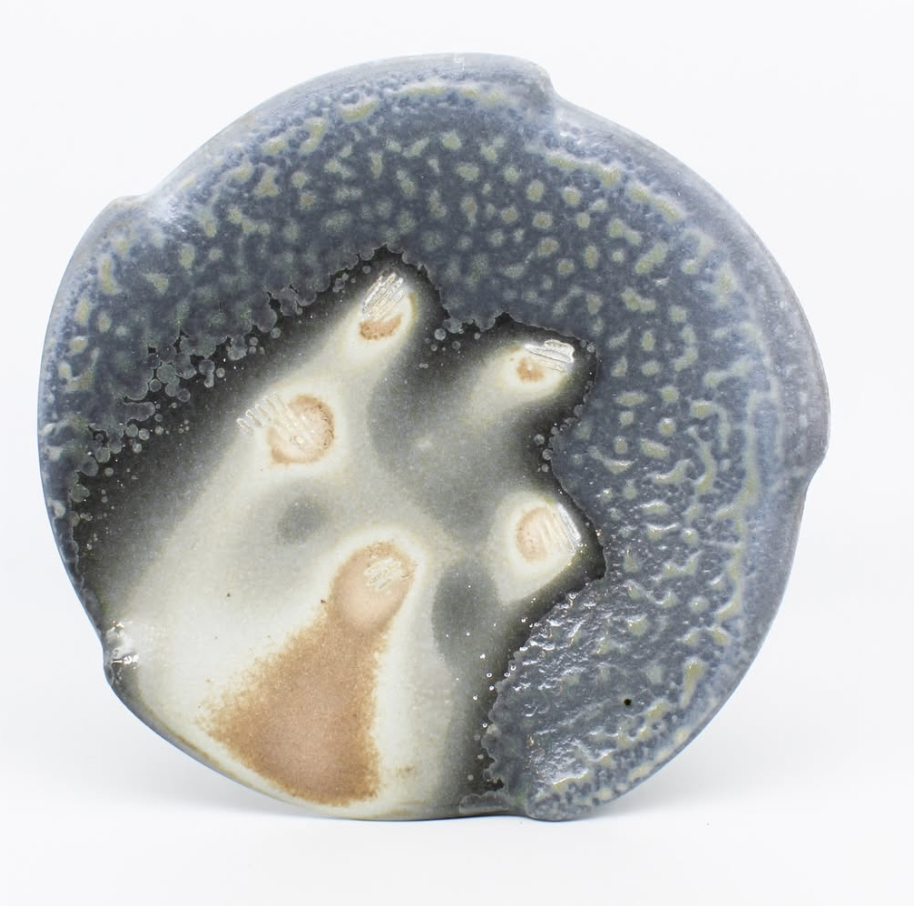
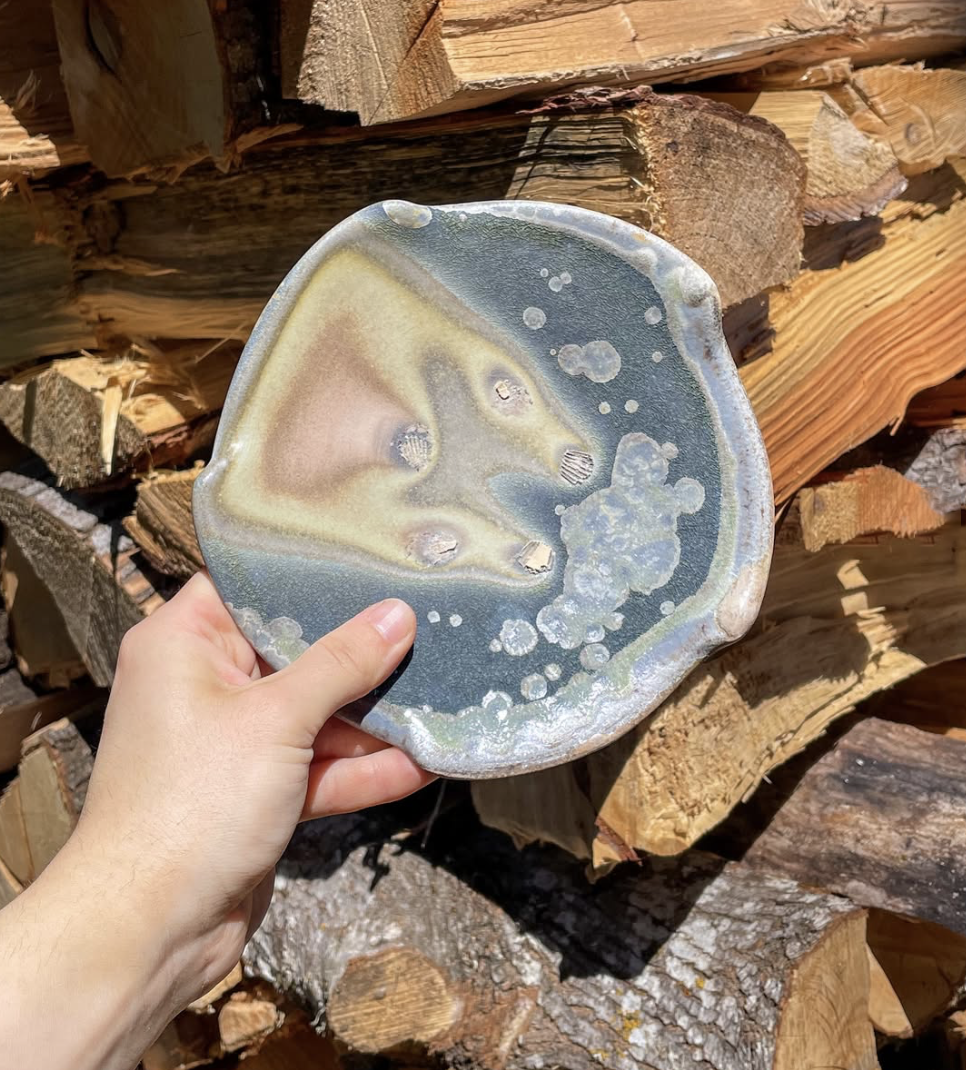
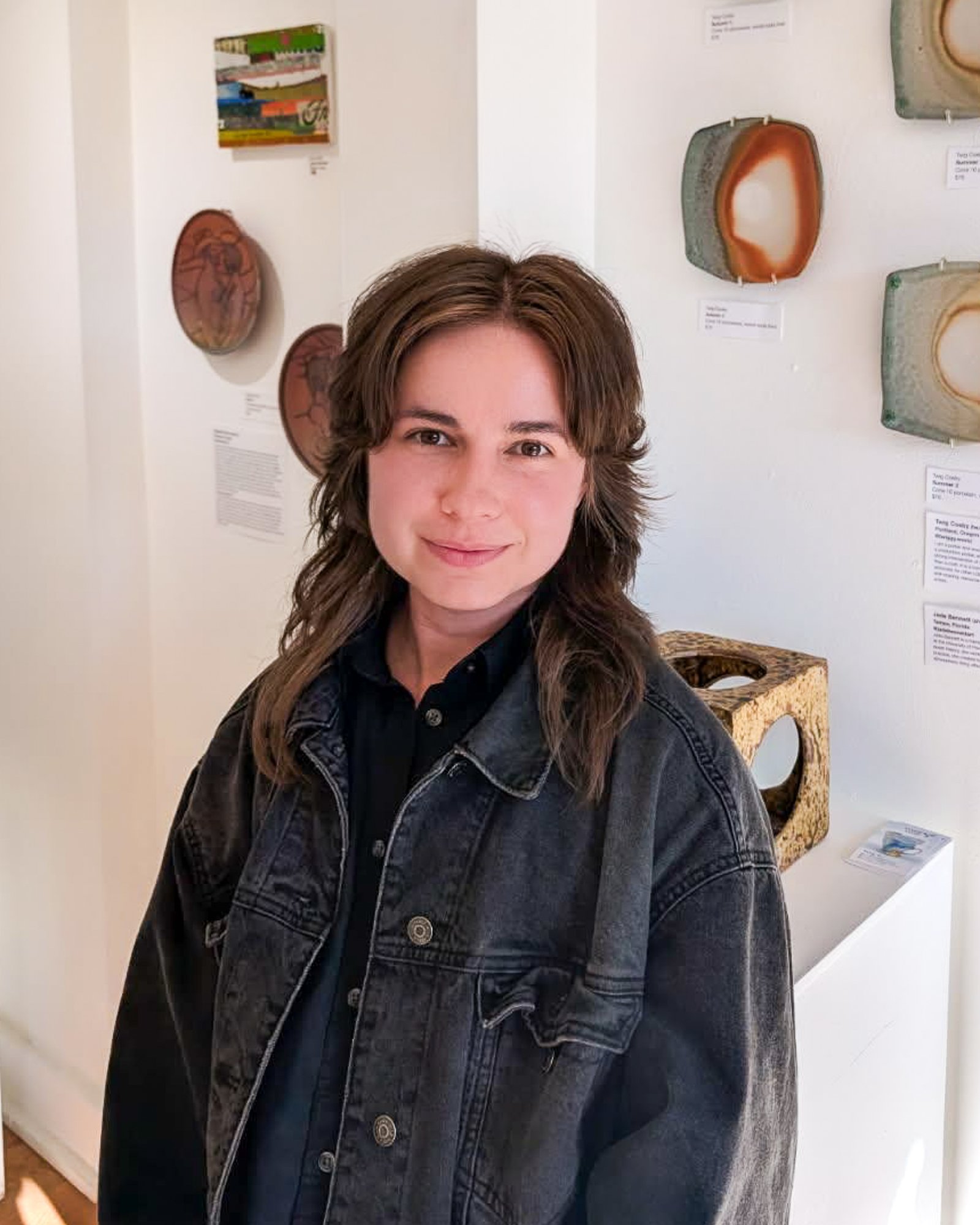 About the Editor-at-Large
Twig Cosby is a studio potter, wood-fire artist, and ceramics educator. With over a decade of experience and a background in production pottery, they bring a deep respect for process and utilitarian forms.
Twig’s experiences in ceramics have underscored the strong intersection of clay and community support systems. For Twig, clay is a home base. As an advocate for other LGBTQIA+ artists, they support their local clay community through skill-sharing, resource-sharing, and fostering safe spaces for marginalized artists.
Twig is currently the artist in residence at Pleasant Hill Pottery in Lane County, Oregon.
Instagram: @twiggy.world
Website: https://twiggy.world