Shopping cart 0 items
Donate
Member Login

Search form

Share
Login
Home
  • About
    • Mission
    • History
    • Masthead
    • Board of Directors
    • Contact
    • Privacy Notice
    • FAQ
    • Internships
  • Articles
    • Current Articles
    • Collections
      • Interviews
      • Narrative
      • History
      • Technology
      • Criticism
      • Other
    • Print Archive
    • Write for SP
  • Announcements
    • General
    • Classified
    • Events
    • Newsletter
  • Become a Member
  • Grants for Apprenticeships
  • Donate
    • Underwriting
    • Donate
    • Partners
  • Store
Layered graphic by Julianna Brazill and Randi O'Brien

Pottery After Modernity

Keith Luebke (he/him/his)

July 01, 2026

In ancient China, intellectuals, artists, and sometimes court officials would retire to the countryside during times of political and dynastic chaos. As we look at the world today, there is so much transition and change, too often accompanied by human suffering. It is easy to understand the desire to retreat from civic life during times of turmoil or when things don’t go as wished or planned.

During a contemporary lifetime – those of us alive and breathing at this time in human history – these periods of social chaos most often victimize people living in Asia, Africa, and Latin America. The horrors of the European experience – World War I and a more globalized WW II – seem distant from the current suffering in Sudan, Gaza, Ukraine, and so many parts of our heating planet.

Scientists and historians are still debating the role of climate change as a factor in the Syrian civil war. The war was undoubtedly rooted in complex political and religious histories. However, water availability, climate variability, and drought were important factors behind the displacement of rural people into cities. And those conditions indeed resulted in food insecurity and higher unemployment. Clearly, those conditions can contribute to political instability. As temperatures increase, there will be more examples of the impacts of climate change on nations, tribes, and regions.

...
Read more

More from this issue

July 2026 – From Where I Stand

Tony Clinelle
Embracing the Squish – An Interview with Tony Clennell
By Hamish Jackson
People tell me I’m a casual maker, but I'm not. I'm actually a pretty tight maker. I make them tight, and then I squish them.
Read More
An open letter reader response
an open letter
On the Surface
By Simon Levin
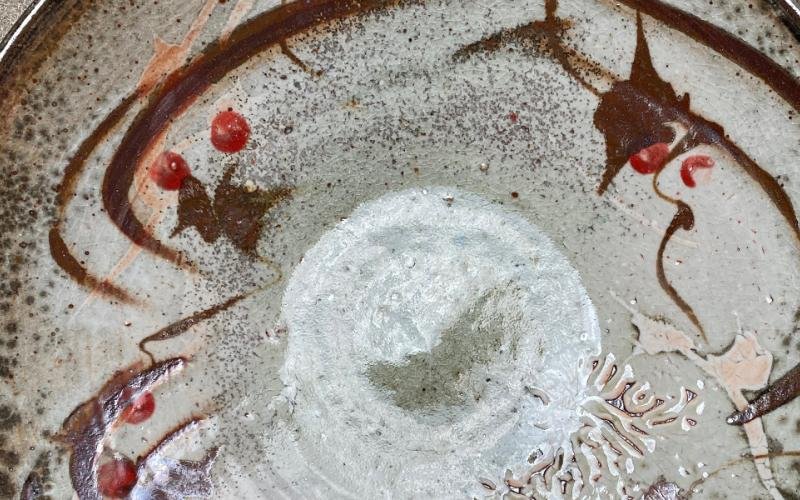
The act of entering Strictly Functional Pottery National and the selection of work with lush, ornate surfaces that are standout beautiful are calculated acts, not of humility or innocence or even plainness. They are public declarations of specialness, which are delightful to see but undermine Mark’s romanticism.
Read More
Roberto Gomez
Roberto Gomez: The Immortal Appetite
By S. Portico Bowman
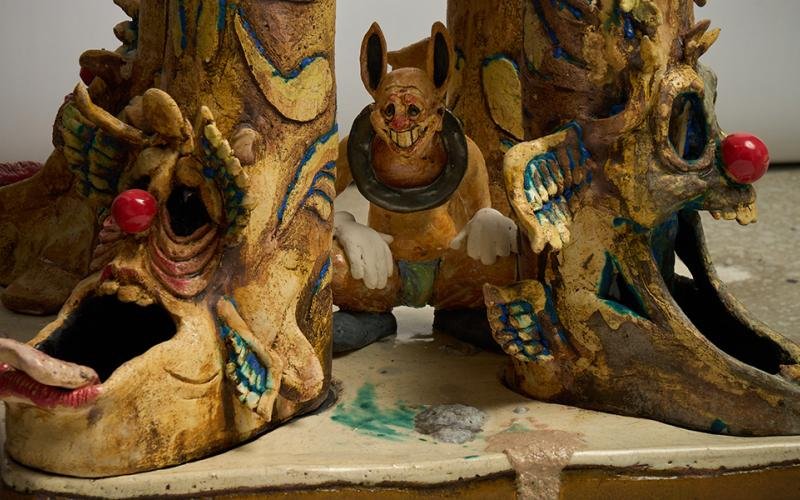
Like the clown’s red nose, Gomez wants the viewers’ attention right between our bloodshot eyes or between our legs, where we hide our fear, our folly, and our deepest longings. The fool, looking not very holy, isn’t posing as Gomez. This naked fool is me, and if you’re willing to agree, it’s you.
Read More
Back to Issue

Author Bio

Keith Luebke (he/him/his)

Keith Luebke is a retired teacher with two degrees in art, one in sociology, and one in urban studies. He worked in a variety of nonprofit organizations for nearly twenty years. That work included promoting craftspeople in rural Illinois and New Mexico, but most of his work was with people experiencing homelessness. Keith was a part-time grant writer from the 1980s into this new millennium. He wrote funding proposals to create housing and supportive services for low-income families and individuals. 

CONTACT  |  NEWSLETTER SIGNUP  |  COPYRIGHT © 2026 STUDIO POTTER  |  SITE DESIGN

Design by Adaptive Theme

Member Log in

  • Create new account
  • Reset your password
Forgot your password?
Continue as Guest
Become a Member
Library IP Login