
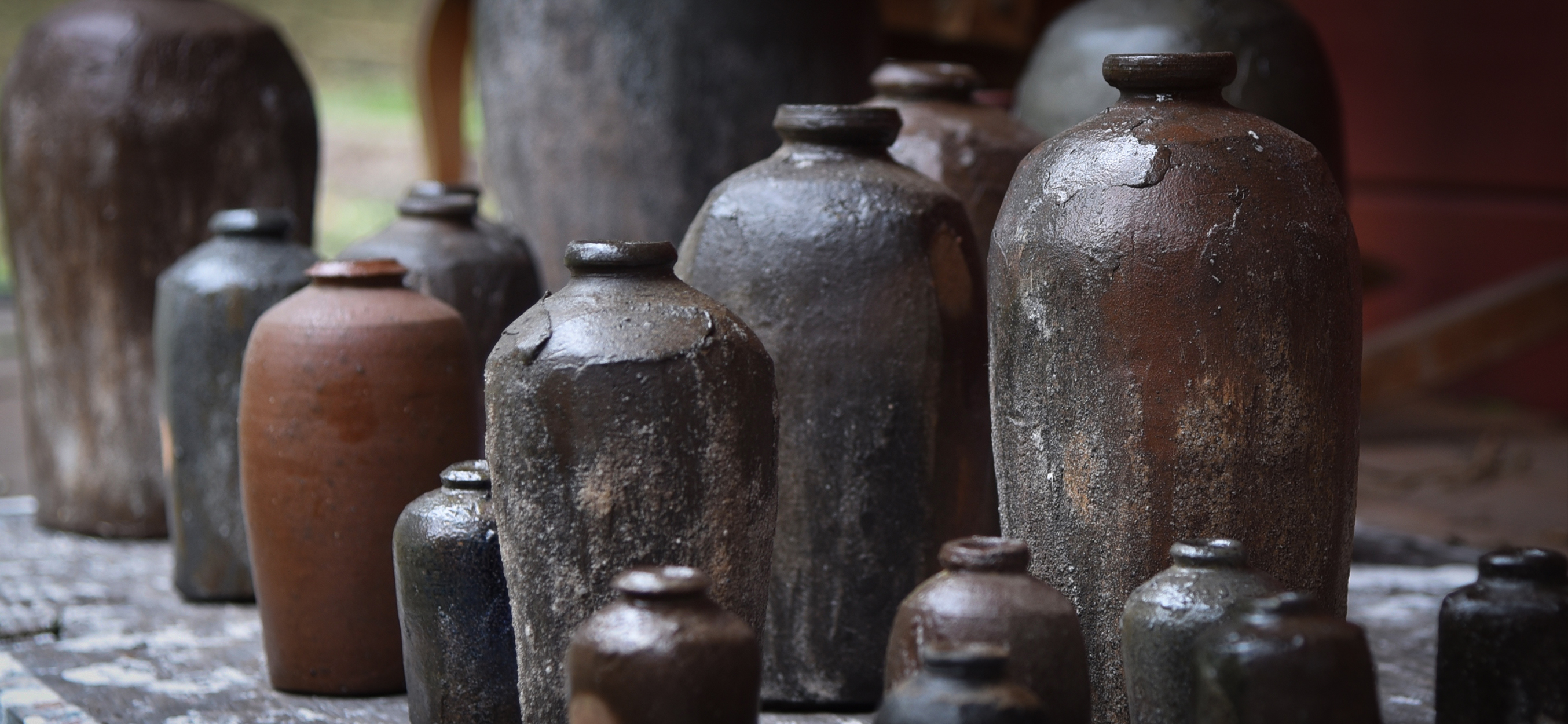
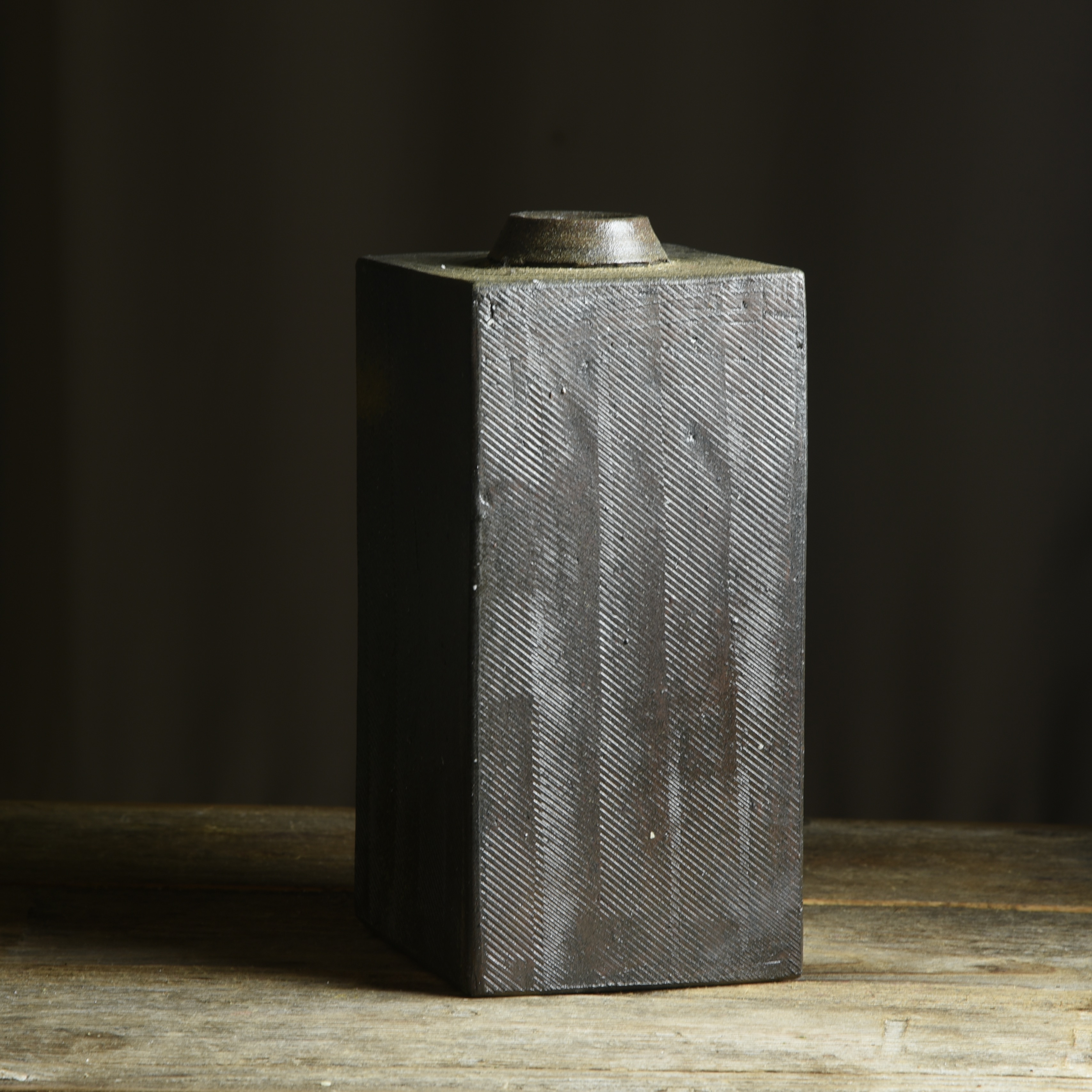
 The modern ceramic practice is overwhelming in its offerings and options. The local clay store will often have a dozen or more clays, hundreds of jars of glaze, stains, and oxides. Electric, gas, and wood kilns are increasingly available, and countless books and articles have expounded on the many ways and styles to fire them. With so much information and potential paths of aesthetic direction available, it’s no wonder that so many new and intermediate potters feel helpless in defining a particular style for themselves and their work. It’s also unsurprising, then, that so many pots made today have a generic, sterile feel to them and lack the clarity and richness of work made within an established tradition. I believe that the feeling of awe we get from looking at the historical pots of these traditions comes not from the imbued spirit of a master craftsman who made it, as is sometimes romantically described, but from an innate reaction to the raw honesty of the materials and production used. This is an article documenting an experiment of working in a similar manner; in following the lead of materials and firing without the modern know-how to do so “properly”. Through this process, we found that while a philosophy of carefully engineering kilns is promulgated for good reason, there is a wealth of knowledge and fun to be had with a more carefree and experimental approach to kiln design and construction.